
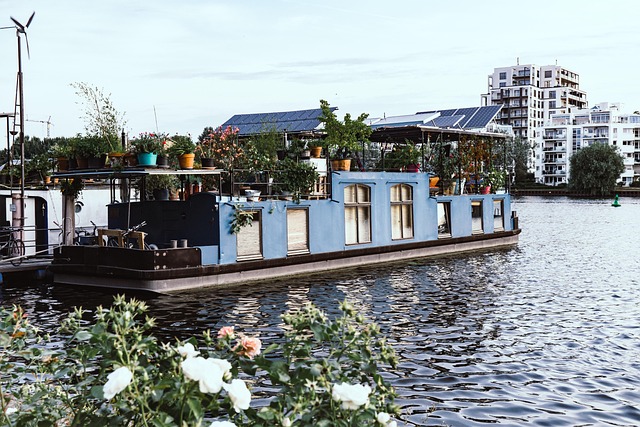
A houseboat is a floating home designed for living on water. Its purpose is to provide a cozy residence and recreational space for boating enthusiasts who enjoy being close to rivers, lakes, or coastlines. Boaters, sailors, and those seeking an aquatic lifestyle use houseboats for permanent or vacation living.
In the vast and diverse world of aquatic living, one unique vessel stands out for its versatility, comfort, and freedom: the houseboat. This marvel of engineering combines the intimacy of a home with the exhilaration of sailing, catering to a niche but passionate community of boaters, retirees, and adventure seekers. Yet, beyond its allure lies a deeper purpose—a solution for those seeking an alternative lifestyle that embraces water without compromising comfort or security. This article delves into the multifaceted world of houseboats, exploring their design, uses, and appeal, providing an authoritative guide for both novices curious about this aquatic living option and seasoned boaters looking to deepen their understanding.
Understanding Houseboats: Definition and Basic Design

A houseboat, by definition, is a boat designed to serve as a dwelling place, offering living quarters, sleeping spaces, and often amenities akin to a home. Unlike traditional boats built primarily for navigation or recreation, houseboats are constructed with permanent habitation in mind, complete with kitchens, bathrooms, and comfortable living areas. This unique type of watercraft finds its purpose along rivers, lakes, canals, and even coastal waters where access to land is limited, providing both shelter and a way of life for its inhabitants.
The basic design of a houseboat encompasses several key elements. Typically, they feature a spacious deck area offering panoramic views of the surroundings and serving as an outdoor living space. The interior layout varies widely depending on size and intended use but often includes a main living area with kitchen facilities, dining area, and seating areas for relaxation. bedrooms, bathrooms, storage compartments, and sometimes even separate cabins or suites are common features in larger houseboats. Propulsion systems can range from small outboard motors to larger inboard engines or even sail power, though many modern houseboats rely on electric or hybrid propulsion for reduced environmental impact and lower operating costs.
Individuals and families alike find the allure of living on a houseboat compelling. Custom houseboats built according to specific needs and preferences allow for tailored living experiences. These vessels can be designed with luxurious appointments, sophisticated entertainment systems, and modern amenities comparable to land-based homes. Conversely, more basic models offer a simple, rustic lifestyle, allowing inhabitants to immerse themselves in the natural surroundings while still enjoying the comfort of permanent housing. Whether built from scratch or customized from existing boat hulls, houseboats provide a unique blend of aquatic exploration and cozy domesticity.
The Purpose: Recreation, Living, or Both?
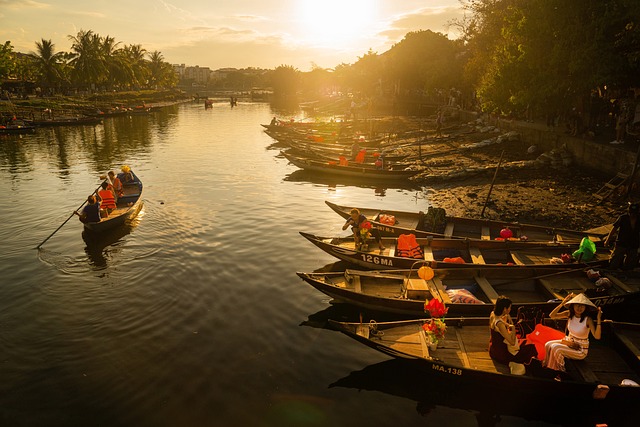
A houseboat is a unique form of watercraft designed to serve as both a living space and a recreational vessel. Its primary purpose transcends mere transportation; it offers a lifestyle that seamlessly blends the serenity of open waters with the comforts of home. Unlike traditional boats focused on speed or fishing, a houseboat prioritizes longevity, comfort, and livability, making it ideal for extended stays on the water. This dual functionality attracts a diverse range of users—from full-time residents seeking an aquatic lifestyle to casual boaters looking for luxurious escapades.
The appeal of a houseboat as a recreational tool is evident in its ability to provide a mobile retreat. Armed with amenities like kitchens, bedrooms, and even entertainment areas, these vessels allow owners or renters to enjoy the outdoors while maintaining modern conveniences. Whether anchored at a peaceful lake or drifting along a scenic river, a houseboat offers a break from terrestrial living, fostering a connection with nature that’s hard to come by on shore. This aspect has led to a surge in popularity among those seeking relaxation and escape, especially in light of recent global events that have prompted a reevaluation of lifestyle choices.
However, the true versatility of a houseboat lies in its potential as a permanent or semi-permanent residence. Many individuals opt for houseboats as an alternative form of housing, particularly in areas where land is scarce or expensive. This trend has gained momentum in recent years, with some regions even recognizing and regulating houseboats as legitimate dwellings. From tranquil riversides to bustling marinas, houseboats provide a unique housing solution that offers water-centric living without compromising on comfort or quality of life. They cater to a variety of needs, from retirees seeking a quieter existence to young professionals who prioritize accessibility and a diverse lifestyle.
In essence, the purpose of a houseboat extends far beyond mere recreation; it represents a fusion of aquatic adventure and domestic comfort. Whether used for leisure, living, or both, houseboats offer an unparalleled way to embrace water-based living, reflecting the allure of open waters while providing the familiar comforts of home.
Who Uses Houseboats: Target Demographics and Reasons

Houseboats serve as both recreational vehicles and viable dwellings for a diverse range of individuals who appreciate aquatic living or seek unique housing solutions. The demographic using houseboats spans various age groups and socio-economic backgrounds, united by a shared fascination with water and a desire for alternative lifestyles. Younger adventurers often use houseboats for weekend getaways or extended trips along rivers and lakes, enjoying the freedom to explore and camp without traditional land-based constraints.
For retirees and semi-retired individuals, a houseboat can provide a comfortable, low-maintenance home that allows them to stay connected to nature and spend more time on the water. Many custom build or purchase luxury houseboats, turning them into floating homes equipped with modern amenities like kitchens, bathrooms, and even home offices. This trend is particularly prominent in regions with expansive inland waterways, such as the Southern United States, where retired couples can enjoy leisurely cruises and social interactions at marinas and riverside communities.
Additionally, those seeking affordable housing alternatives or unique living arrangements find houseboats appealing. In densely populated urban areas, a homeboat offers a compact, sustainable option that avoids high property costs on land. This demographic often opts for smaller, more modestly priced houseboats that still provide essential living spaces and the ability to dock in city harbors or nearby rivers.
According to recent surveys, houseboat ownership is growing, with a significant increase in both custom build projects and purchases of pre-owned vessels. This surge can be attributed to changing societal trends, including a rise in remote work opportunities that allow for more flexible lifestyles and an enhanced appreciation for outdoor recreation among younger generations. Moreover, the concept of downsizing and embracing minimalism has led many to consider houseboats as viable long-term homes, reducing their environmental footprint while enjoying a diverse range of aquatic environments.
Types of Houseboats: From Luxury Yachts to Simple Floats
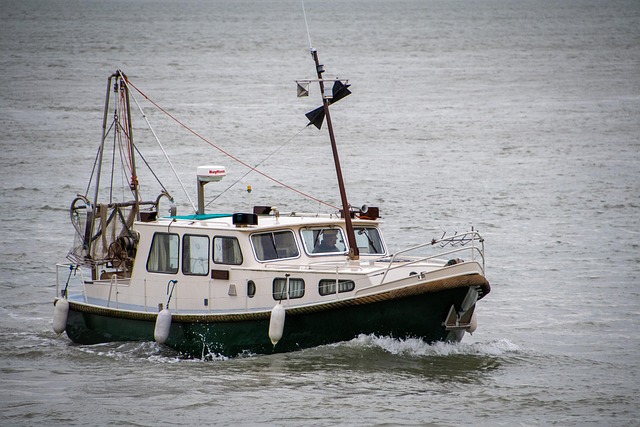
Houseboats are a unique type of watercraft designed to serve as both transportation and living quarters. They vary greatly in size, style, and purpose but share the common function of providing a mobile home on the water. From luxurious yachts to simple, modest floats, houseboats cater to diverse needs and preferences.
The concept of a houseboat extends beyond mere floating homes; it encompasses a range of vessels tailored for different lifestyles and activities. At one end of the spectrum are opulent custom houseboats, akin to mini-yachts with all the comforts of home, featuring spacious interior designs, gourmet kitchens, entertainment systems, and luxurious amenities. These are often used as full-time residences or lavish vacation spots, enjoyed by those who appreciate the finer things in life. On the other end, simple homeboats or “float homes” offer a more minimalist approach, focusing on essential living spaces and basic navigation capabilities. They appeal to budget-conscious individuals or those seeking a more understated lifestyle on the water.
These vessels can be categorized into several types based on their design, size, and intended use. Narrowboat houseboats are popular in Europe, particularly in the UK, with their sleek, narrow profiles allowing them to navigate through narrow canals and rivers. Larger motor yachts that double as houseboats are common in regions like the Caribbean, where they provide a luxurious base for exploring tropical waters. Additionally, sailing houseboats, or sailboats designed with living quarters, offer a more environmentally conscious option, leveraging wind power alongside traditional engines.
Whether one opts for a custom houseboat or a simpler homeboat, choosing the right type involves considering factors like intended use (recreational cruising, full-time living, etc.), preferred lifestyle, and budget. Data suggests that houseboating is gaining popularity, with increasing registrations and growing interest from younger generations looking for unique water-based lifestyles. For those seeking a truly mobile home on the water, exploring various houseboat types can unlock a world of possibilities, offering both adventure and comfort on the open sea or tranquil waterways.
Choosing Your Houseboat: Factors for Buying or Renting

Choosing a houseboat is an exciting yet meticulous process, as it will greatly impact your overall experience on the water. Whether you’re planning to buy or rent, several factors must be considered. For instance, decide on the purpose of your vessel; are you seeking a relaxing retreat, an adventure-filled vacation, or a more permanent living space? This initial step will narrow down your options significantly. Houseboats can vary in size, from small, compact boats suitable for weekend getaways to large, luxurious vessels designed for extended stays and entertaining guests.
The next crucial consideration is the location of use. Different regions offer unique water bodies with varying conditions, from calm lakes to rugged rivers. Ensure that the houseboat you choose aligns with the type of environment you intend to navigate. For instance, a shallow-draft boat might be ideal for exploring coastal areas and slow-moving rivers, while a deeper vessel could be more suitable for open waters and lake cruising. Additionally, think about accessibility; some houseboats are designed for easy transport and can be towed to various destinations, while others are permanently moored or require specialized docking facilities.
Budget is another essential factor in your decision. Houseboat prices vary widely depending on size, features, age, and condition. Building a custom houseboat offers unparalleled flexibility but comes with significant costs. According to industry data, the average price for a new 40-foot houseboat can range from $300,000 to $500,000 or more. Renting is an attractive option for those seeking short-term experiences, providing access to fully equipped vessels without the long-term financial commitment. Many marinas and boat rental companies offer packages tailored to various needs and budgets. Ultimately, whether you build or purchase a houseboat, thorough research and consideration of your specific requirements will ensure a rewarding and enjoyable experience on the water.
Navigating Regulations and Safety on Houseboats

Navigating Regulations and Safety on Houseboats
For many, a houseboat represents a unique lifestyle choice or a dream vacation retreat, offering unparalleled freedom and flexibility on open waters. However, owning and operating a houseboat comes with a set of regulations and safety considerations that are both vital to navigate successfully and crucial for ensuring the well-being of all involved. Understanding these aspects is essential, whether you’re a seasoned boater looking to invest in a custom houseboat or a novice seeking to explore this mode of living.
The primary regulatory body governing houseboats varies depending on geographical location, with local authorities often having specific rules and permits for operating such vessels. For instance, in the United States, the U.S. Coast Guard plays a significant role in setting safety standards, including equipment requirements, boating education, and licensing for commercial operations. Similarly, European countries have their own regulatory frameworks, such as the European Union’s regulations on boat design, construction, and safety features. One of the primary purposes of these regulations is to ensure the safety of both boaters and those sharing the water, addressing critical aspects like navigation, communication, and emergency preparedness.
Safety on a houseboat encompasses several key areas. First, proper equipment is paramount. This includes life jackets, flotation devices, and emergency signaling tools that are readily accessible. Regular maintenance checks are equally vital to ensure the boat’s systems, including engines, electrical components, and safety gear, function optimally. Additionally, boaters should be trained in safe navigation practices, understanding local water conditions, and handling various weather scenarios. For those considering a custom houseboat build, engaging experienced marine engineers and designers can significantly enhance both safety and compliance with relevant regulations.
Beyond individual responsibility, fostering a culture of safety within boating communities is essential. This involves promoting responsible boating habits, encouraging regular safety drills, and ensuring that all occupants of the boat are aware of their roles and responsibilities during emergencies. Many countries also mandate boating education courses to equip individuals with the knowledge needed to handle unexpected situations, further reinforcing safe practices. By adhering to these guidelines, houseboat owners and operators can ensure a more secure experience for themselves and contribute to the overall safety of recreational boating as a whole.