
A houseboat is a boat designed to live on and serves as floating home for people who enjoy water environments. It provides amenities like living areas, kitchens, and bedrooms, allowing users—from full-time residents to recreational boaters—to experience unique lifestyles on rivers, lakes, or coastal areas.
In an era where water-based living is gaining traction, understanding the essence of a houseboat has become paramount for enthusiasts, potential owners, and industry professionals alike. A houseboat isn’t merely a floating dwelling; it’s a fusion of aquatic exploration and domestic comfort, catering to diverse needs from leisure cruising to permanent habitation. This article delves into the multifaceted world of houseboats, exploring their purpose, who uses them, and the intricacies that make these watercraft both practical and appealing. By the end, you’ll grasp why houseboats represent not just a lifestyle choice but a unique synthesis of technology and nature.
Understanding Houseboats: Definition and Basic Concept
A houseboat is a unique and versatile watercraft designed primarily for living accommodations, offering a mobile home on the water. This type of vessel differs from traditional boats in its purpose, functionality, and amenities. The basic concept revolves around creating a self-contained space that combines the features of a boat with those of a home, enabling people to live, work, or relax on bodies of water such as rivers, lakes, or even coastal areas.
Houseboats vary significantly in size, from small recreational vessels to large, luxurious custom houseboats capable of accommodating entire families or serving as commercial ventures. They are constructed with living quarters, including bedrooms, kitchens, and bathrooms, mirroring the layout of a traditional home. The primary advantage lies in their ability to provide a permanent dwelling place on water, allowing individuals or communities to live close to nature while enjoying the convenience of modern amenities. This unique lifestyle appeals to those seeking an alternative to land-based living, offering opportunities for relaxation, exploration, and a deeper connection with aquatic environments.
Building a houseboat involves careful planning, engineering, and craftsmanship. It requires considering factors such as stability, buoyancy, structural integrity, and the integration of essential services like electricity, plumbing, and sanitation systems. Custom houseboats, in particular, offer owners the opportunity to design and construct vessels tailored to their specific needs and preferences, ensuring a perfect blend of functionality, comfort, and aesthetics on the water.
Purposes of Houseboating: Recreation to Residential Living
Houseboating, an increasingly popular trend, offers a unique blend of recreational enjoyment and residential living options, attracting diverse individuals seeking novel ways to experience aquatic environments. At its core, a houseboat is a boat designed to be lived in, complete with amenities akin to a home, allowing boaters to spend extended periods on the water. This versatile vessel serves multiple purposes, from leisurely recreation to permanent habitation, catering to a wide range of users.
For many, houseboating represents a perfect fusion of leisure and living, providing an opportunity to escape the mainland and embrace a more tranquil lifestyle. These custom houseboats, meticulously crafted to meet individual preferences, often feature comfortable sleeping quarters, fully equipped kitchens, entertainment areas, and even luxury touches like hot tubs and outdoor dining spaces. They cater to recreational enthusiasts who want to explore rivers, lakes, or coastal regions while enjoying the comfort of a home-away-from-home. For instance, along the bustling waterways of Tampa Bay, houseboats are increasingly common sights, with owners navigating the area’s beautiful canals and waterfront communities.
However, houseboating extends beyond recreation; it has emerged as a viable alternative to traditional residential living for those seeking unique housing solutions. Some individuals opt for homeboats as a cost-effective way to live, especially in areas with limited land resources or high property costs. These aquatic dwellings offer freedom and flexibility, allowing residents to move with the tide, so to speak, and enjoy the beauty of water-based communities. For instance, the DIFC Zabeel District in Dubai has introduced residential living on houseboats, providing a novel twist to urban living. This trend speaks to a broader shift towards embracing diverse housing options, including those that blend seamlessly with natural environments.
As houseboating gains traction, it’s essential to consider both the environmental impact and regulatory aspects of this unique lifestyle choice. Local authorities worldwide are working on policies to accommodate this growing segment, ensuring responsible boating practices while preserving aquatic ecosystems. With proper stewardship, houseboating can offer a sustainable and fulfilling way of life for those seeking to embrace a more aquatic existence.
Who Uses Houseboats: Demographic Breakdown of Boaters
Houseboats are a unique type of watercraft designed to serve as both a vessel and a living space, offering a distinct lifestyle for boaters seeking permanent aquatic residences. The demographic breakdown of houseboat owners and users is quite diverse, reflecting the varied appeal of this mode of life.
One prominent user group consists of retirees who have chosen a peaceful existence on the water, escaping the confines of traditional housing. Many baby boomers, with their disposable income and desire for adventure, have turned to building or purchasing houseboats as a retirement option. This trend is particularly evident in regions with large freshwater bodies, such as North America’s Great Lakes, where houseboat communities thrive. For instance, lakes like Lake Michigan and Lake Ontario host significant houseboat populations, enjoying the benefits of scenic views and water-based recreation year-round.
Additionally, young families and adventure seekers are drawn to houseboats for their unique educational opportunities and outdoor lifestyle. Building a houseboat can be an engaging DIY project for those with construction skills and a passion for boating. Many modern designs focus on energy efficiency and sustainable living practices, appealing to environmentally conscious boaters. For instance, a 2020 survey by Boating Industry reported that nearly 40% of new boat buyers aged 18-34 were considering or planning to purchase a houseboat within the next five years, highlighting its growing appeal among younger demographics.
Furthermore, individuals with disabilities and accessibility concerns find that houseboats offer adaptable living spaces tailored to their needs. Customization options allow for wheelchair accessibility, specialized equipment, and ergonomic designs, making boating accessible to a broader range of users. This inclusive aspect has fostered vibrant communities where boaters with diverse abilities share experiences and resources, further enriching the houseboat lifestyle.
Types of Houseboats: From Classic to Modern Designs
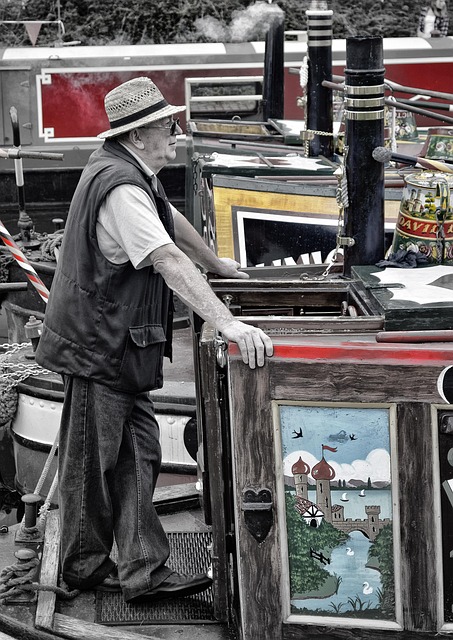
Houseboats have evolved significantly since their inception, transforming from classic, traditional designs to modern, innovative concepts. These watercraft serve a diverse range of purposes, primarily as living spaces that offer a unique blend of boating and home life. Whether used for leisure, full-time residence, or commercial ventures like fishing or tourism, houseboats cater to varied needs and lifestyles.
The classic houseboat design, characterized by its elongated shape and decked out with various amenities, remains a popular choice among enthusiasts who appreciate the charm and simplicity of these vessels. These traditional boats often feature open living areas, kitchens, bedrooms, and even baths, all built around a central hull. Modern interpretations, however, have taken this concept further, incorporating advanced engineering and construction techniques to create more sophisticated houseboats. Today’s models boast luxurious interiors, state-of-the-art appliances, and innovative layouts that maximize space and comfort. For instance, some modern designs feature multi-level living arrangements, with separate areas designated for entertainment, dining, and sleeping, mirroring the functionality of a land-based home.
Building your own houseboat presents an exciting opportunity to blend boating passion with personalized design. Customization allows you to tailor the vessel to your specific needs and preferences, be it a cozy retreat for weekend getaways or a fully equipped home on water. From classic styles that pay homage to traditional boatbuilding techniques to contemporary designs pushing the boundaries of architecture and engineering, there’s a houseboat out there to suit every taste and lifestyle. Whether you’re an experienced boater looking to elevate your floating living experience or a first-time builder eager to embark on a unique adventure, exploring different houseboat types offers a wealth of inspiration and practical knowledge for bringing your dream waterborne home to life.
Benefits, Challenges, and Future of Houseboating
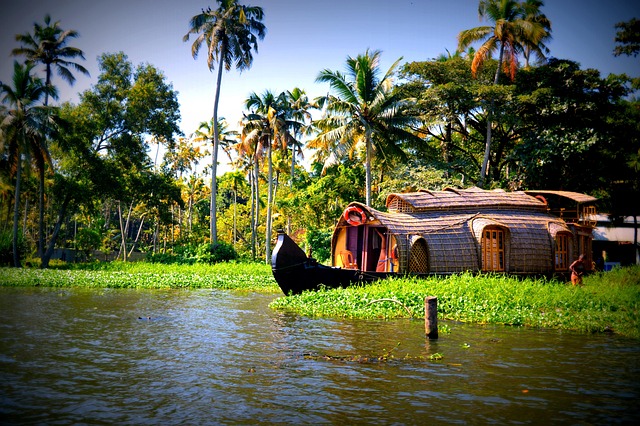
A houseboat is a unique watercraft designed to function as a floating residence, offering a lifestyle that blends boating with the comforts of home. This type of vessel provides a mobile living space equipped with amenities such as bedrooms, kitchens, and even entertainment areas, catering primarily to leisure boaters and those seeking an alternative to traditional land-based housing. The appeal of houseboating is multifaceted; it promises freedom, flexibility, and direct access to water bodies, making it particularly popular in recreational boating communities worldwide.
The benefits of owning a houseboat extend beyond the enjoyment of time on the water. For many, it represents an affordable alternative to coastal living or a vacation home. According to a 2021 survey by Boating Industry Association, approximately 75% of houseboat owners use their vessels as primary residences, demonstrating the viability of houseboats as permanent homes. Custom houseboat builders cater to diverse needs, from spacious family cruisers to luxurious yachts, ensuring that these floating abodes can be tailored to specific preferences and requirements. This level of personalization allows boaters to create a unique living space that reflects their lifestyle and personality, setting them apart from traditional boats.
However, houseboating is not without its challenges. One significant consideration is the initial investment; custom houseboats can be expensive, with costs ranging from hundreds of thousands to millions of dollars, depending on size, amenities, and construction quality. Additionally, maintaining a houseboat requires specialized knowledge and resources. Regular upkeep, including hull maintenance, mechanical repairs, and systems checks, is essential to ensure the vessel remains safe and habitable. Despite these hurdles, the houseboat community is thriving, with dedicated owners and enthusiasts contributing to online forums, sharing tips, and fostering a culture that celebrates this unique boating lifestyle.
Looking ahead, the future of houseboating appears promising as advancements in technology and design continue to shape the industry. Integrations of smart home systems, renewable energy solutions, and innovative construction materials are enhancing the comfort and sustainability of these floating residences. As global awareness of climate change grows, houseboats could play a more significant role in sustainable living, offering a unique way to reduce environmental impact while enjoying the beauty of waterborne life. With its blend of lifestyle, technology, and environmental consciousness, houseboating is poised to capture the imagination of future generations, ensuring that this aquatic lifestyle remains vibrant and accessible for years to come.