

The modern car braking system stands as a cornerstone of automotive safety, demanding meticulous design and constant innovation to match the ever-increasing speeds and complex driving conditions of today’s roads. As we navigate an era dominated by advanced vehicles, understanding the key components that make these systems so critical becomes paramount for both engineers and drivers alike. This article delves into the intricate details of modern car braking, exploring the essential elements that ensure precise control and safety during every stop. By dissecting these components, we gain valuable insights into the ongoing evolution of automotive brakes, paving the way for enhanced driving experiences and improved road safety.
- Understanding Modern Car Braking Fundamentals
- Advanced Technologies in Brake Systems
- Safety Features: The Role of Modern Car Braking
Understanding Modern Car Braking Fundamentals

Modern car braking systems are a marvel of engineering, combining advanced technology with safety to deliver precise control and improved vehicle performance. At their core, these systems can be divided into three fundamental components: mechanical brakes, hydraulic systems, and electronic controls. Understanding these fundamentals is crucial for appreciating the evolution of vehicle braking safety in modern cars.
Mechanical brakes, such as disc or drum brakes, remain the primary means of slowing and stopping vehicles. These components utilize friction to convert kinetic energy into heat, thereby reducing speed. Advanced braking sensors, like wheel-speed sensors and gyroscopes, play a pivotal role by constantly monitoring vehicle dynamics. Data from these sensors is fed into the car’s computer, enabling precise control over brake application. For instance, anti-lock braking systems (ABS) use this data to prevent wheels from locking up during hard braking, ensuring drivers maintain steering control.
Regenerative braking, a modern car braking innovation, is transforming vehicle efficiency. This system captures kinetic energy usually lost during deceleration and converts it into electrical energy, which can be stored or used to power auxiliary systems. By integrating regenerative braking with advanced sensors, modern cars achieve better fuel economy and reduced wear on primary brakes. For example, hybrid vehicles often employ regenerative braking, demonstrating significant improvements in overall vehicle efficiency compared to traditional models.
Beyond these fundamentals, vehicle braking safety continues to advance through continuous research and development. Manufacturers are exploring new materials for pads and rotors, improving hydraulic fluids, and refining electronic control algorithms. These ongoing enhancements underscore the commitment to enhancing driver safety and comfort, ensuring that modern car braking systems remain at the forefront of automotive technology.
Advanced Technologies in Brake Systems
Modern car braking systems have evolved significantly over the years, incorporating advanced technologies to enhance safety and performance. One of the most notable developments is the transition from traditional mechanical brakes to brake by wire systems. These electronic systems offer precise control, allowing for quicker response times and improved stability during critical maneuvers. For instance, anti-lock braking systems (ABS) prevent wheels from locking up in emergency stops, ensuring drivers maintain steering control.
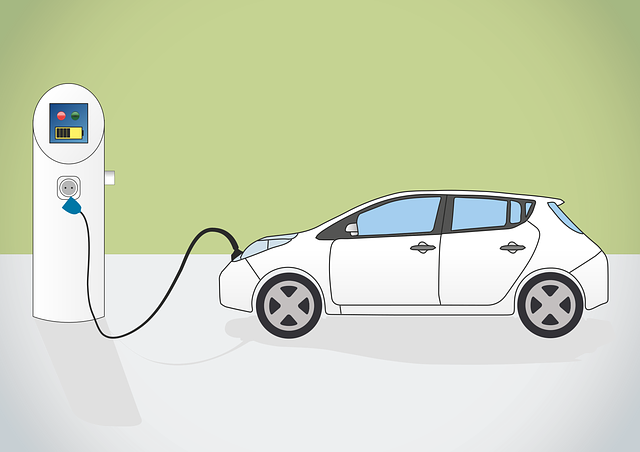
Regenerative braking is another revolutionary technology that has found its way into modern car braking. This system captures the kinetic energy usually lost during deceleration and converts it back into electrical energy, which can be used to power various vehicle systems. For example, electric vehicles (EVs) utilize regenerative braking to extend their range by efficiently managing energy consumption. The effectiveness of this technology is evident in some high-performance EVs, where it contributes to remarkable efficiency figures.
Furthermore, electronic brakeforce distribution plays a crucial role in improving handling and stability. By intelligently allocating brake force between wheels, this system optimizes traction during acceleration and cornering. For instance, all-wheel drive vehicles often employ electronic brakeforce distribution to ensure each wheel receives the ideal amount of braking power, enhancing overall vehicle control. These advanced technologies not only make modern car braking more efficient but also contribute to safer driving experiences.
To stay ahead in the ever-evolving automotive landscape, automakers continue to invest heavily in research and development for brake systems. Understanding these technologies is essential for both professionals and enthusiasts alike, as it empowers them to make informed decisions when considering vehicle safety features. As technology advances, we can expect even more sophisticated braking systems that further elevate road safety standards.
Safety Features: The Role of Modern Car Braking

Modern car braking systems have evolved significantly over the years, incorporating advanced safety features that enhance driving experiences and protect passengers. At the heart of these improvements lies a focus on safety, with key components such as the anti-lock braking system (ABS) and brake assist technology playing pivotal roles in preventing accidents and improving control. For instance, ABS prevents wheels from locking up during hard braking, allowing drivers to maintain steering control and effectively navigate through emergency situations.
One notable development is regenerative braking, which has become a standard feature in many modern vehicles. Unlike traditional braking systems that convert kinetic energy into heat, regenerative braking recaptures this energy and feeds it back into the vehicle’s battery or motor. This not only improves fuel efficiency but also reduces wear on conventional brakes, prolonging their lifespan. For example, electric vehicles (EVs) utilize regenerative braking to extend range by efficiently managing energy conversion during deceleration.
Additionally, brake assist technology further enhances safety by detecting potential collision risks and applying the brakes automatically if necessary. This system uses sensors and cameras to monitor surrounding traffic and can apply up to 100% of braking force if it detects an imminent collision. Such features underscore the commitment of automotive manufacturers to creating safer driving environments, reducing the risk of accidents, and fostering confidence among drivers. Regular maintenance and understanding these modern car braking mechanisms are crucial for maximizing their benefits and ensuring optimal vehicle performance.
Modern Car braking systems have evolved significantly, integrating advanced technologies to enhance safety and performance. Key components like Anti-lock Braking Systems (ABS) and Electronic Brake Distribution (EBD) play pivotal roles in improving traction and stability under various driving conditions. Additionally, the integration of air disc brakes and regenerative braking offers greater efficiency and reduced maintenance. Safety features such as automatic emergency braking and lane departure warning systems further underscore the critical role of modern Car braking in preventing accidents and protecting passengers. Understanding these fundamentals empowers drivers to appreciate the sophisticated mechanisms at work, fostering a sense of confidence and control while on the road.